Rage and Irritability as Perimenopausal Symptoms
Hormonal swings during perimenopause directly rewire the brain's emotional control centers.
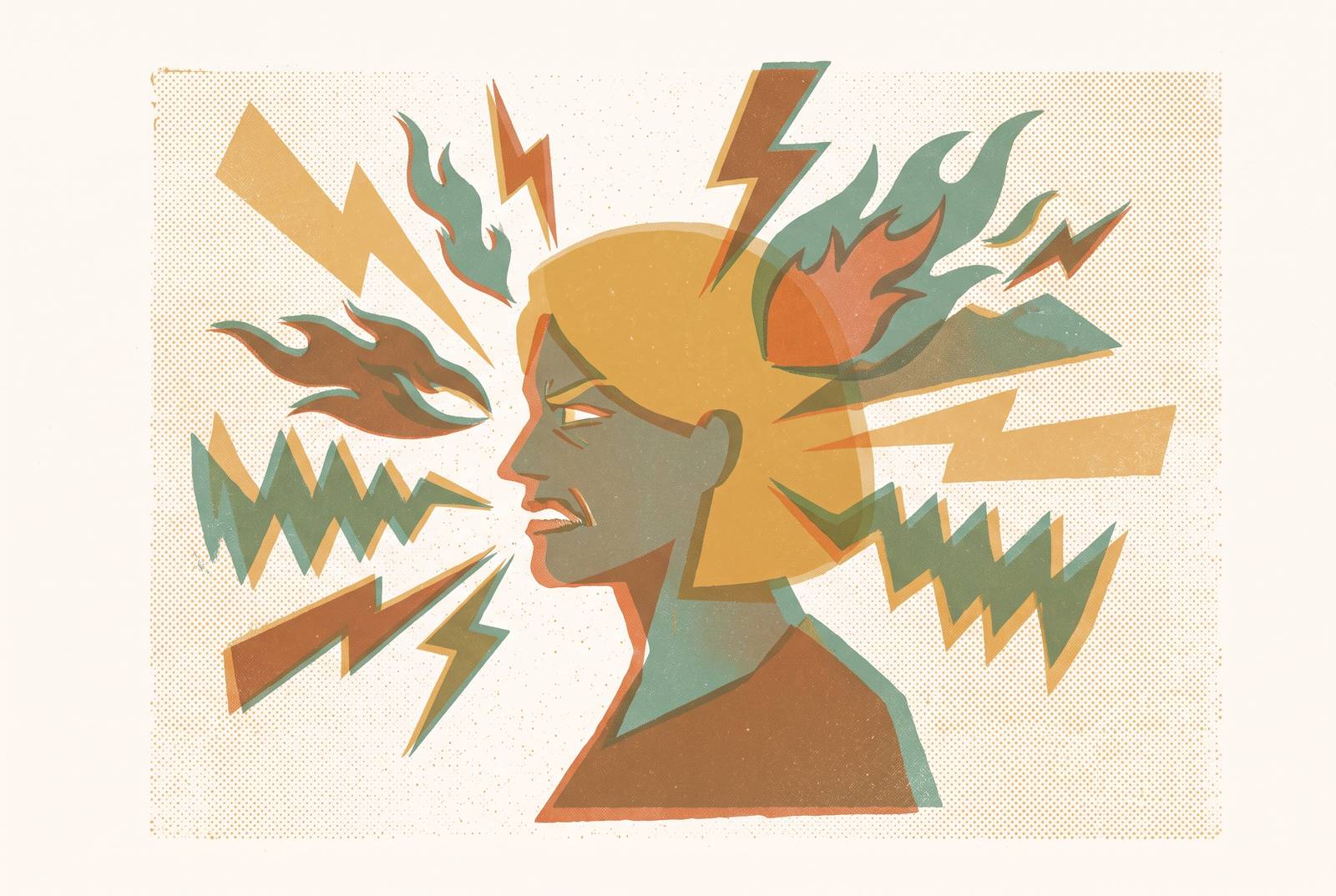
A woman who has never raised her voice at her children finds herself screaming over a spilled glass of water. A woman known for her patience snaps at a colleague over a typo and spends the rest of the day stunned by her own voice. This piece is about why that happens: perimenopausal rage is a distinct neurological event produced by fluctuating reproductive hormones acting directly on the brain's emotional circuitry, not a personality failure or a stress response that has simply gotten out of hand. Understanding the mechanism behind it is the starting point for getting real answers instead of a prescription that treats the wrong problem.
Why perimenopausal rage feels different from ordinary anger
Ordinary anger builds. It has a cause a woman can usually name, a trigger proportionate to the response, and a trajectory she can feel coming on. What many women describe during perimenopause follows none of that logic. The anger arrives in seconds, with no proportionate spark, turning a minor irritation such as a dish left in the sink or a slow driver into something that registers, in the moment, as an intolerable threat. Some describe it as a red mist: a wave of fury that overtakes the capacity for rational thought before it has a chance to intervene. What follows is often more disorienting than the rage itself, a flood of bewilderment and shame, because the woman experiencing it knows the reaction does not match who she understands herself to be.
That mismatch marks a different category of emotional event, produced by a different mechanism, and recognizing that difference changes the question a woman brings to a doctor. Instead of asking what is wrong with her temperament, she can ask what is happening in her brain. The rest of this piece works through that question, starting with the hormone most people think they already understand.
Estrogen's role in the brain
Estrogen gets filed, in most people's understanding, under reproduction: periods, fertility, menopause as an ending point. That framing leaves out most of what the hormone actually does. Estrogen raises serotonin levels and increases serotonin receptor density throughout the brain, and serotonin governs mood, impulse control, and emotional stability. It modifies the production of endorphins, the brain's internal calming and reward signals. It acts directly on the amygdala, which handles emotional threat detection, on the hippocampus, which ties memory to emotion, on the hypothalamus, which regulates temperature and stress response, and on the brainstem, which governs sleep and wakefulness. It also provides neuroprotection and stimulates nerve growth in several of these same regions. None of that is reproductive machinery. It is neurological infrastructure.
At the molecular level, estrogen enhances serotonin transmission by upregulating tryptophan hydroxylase-2, the rate-limiting enzyme in serotonin synthesis. When estrogen shifts, the entire serotonin production line responds to that shift, not just the reproductive system downstream of it.
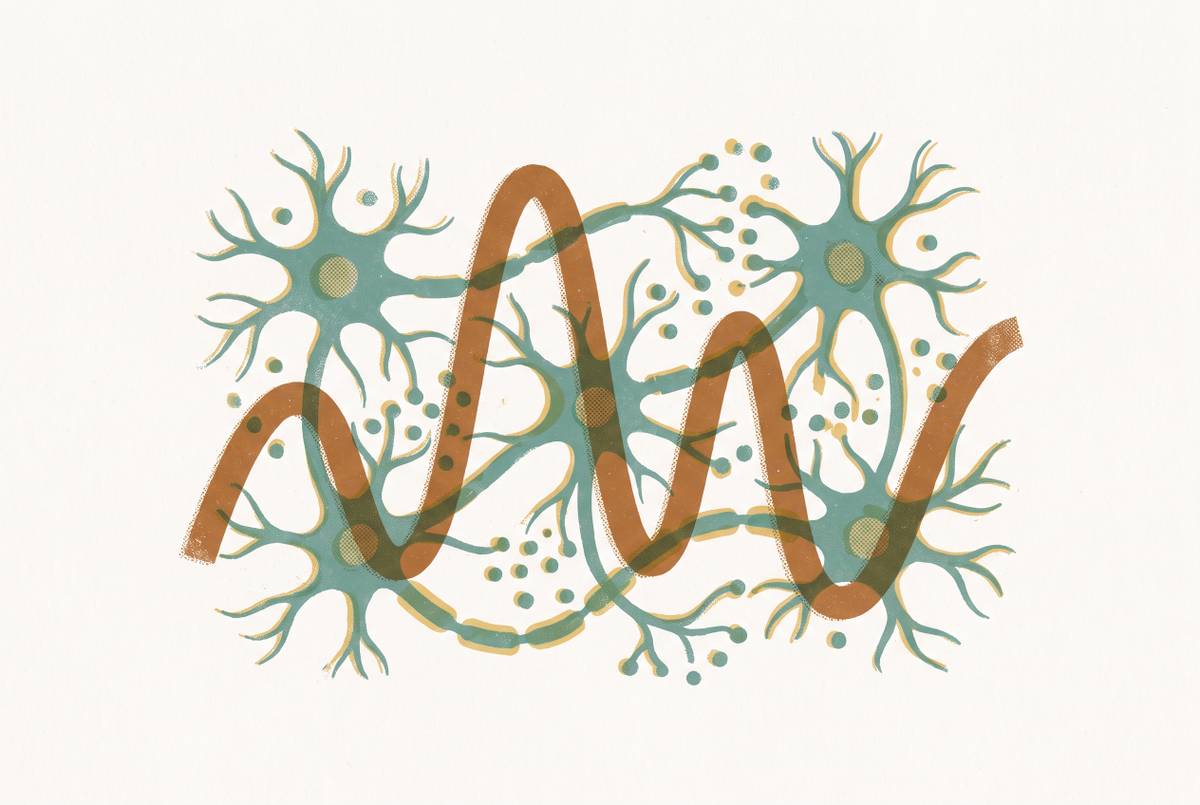
A federally funded trial at a major research university produced the finding that reframes everything else. The study examined day-to-day estradiol variability and irritability during the menopause transition, and the mechanism it isolated was variability itself, not a steady decline toward a lower baseline. During perimenopause, estrogen does not fall in a straight line. It spikes, crashes, and shifts unpredictably, at times peaking well above levels a woman experienced before perimenopause began. The brain is receiving contradictory signals it has no template for managing, not simply adjusting to gradually less of a stable signal.
That single distinction, variability over decline, explains two things that otherwise look like contradictions. It explains why a woman can experience rage during a period when her estrogen is unusually high, not only when it is low. And it explains why a lab result reading "normal" does not mean nothing is happening, since a snapshot taken on a stable day says nothing about the volatility surrounding it. Symptoms can be worst in early perimenopause for exactly this reason, when the swings are largest and least expected.
The progesterone-GABA pathway: the more direct route to rage and hyperreactivity
Estrogen's disruption of serotonin explains mood instability broadly. It does not, by itself, explain why rage specifically, rather than sadness or anxiety, becomes the dominant symptom for so many women. That answer lies with a second hormone operating through a separate and more direct mechanism.
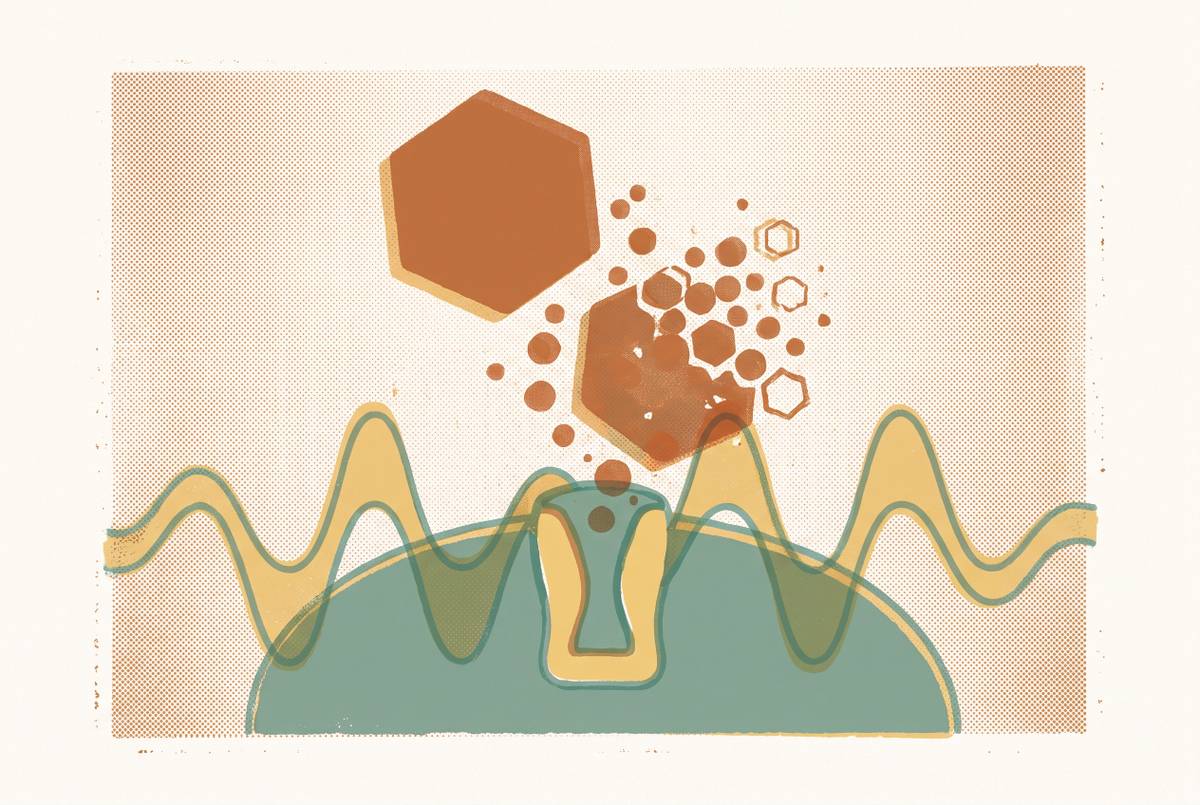
Progesterone's decline removes one of the brain's primary brakes on emotional reactivity. When progesterone decreases, it lowers the activation of GABA, the brain's main calming neurotransmitter. The pathway runs through a specific conversion: progesterone converts to allopregnanolone, a neurosteroid that potentiates GABA receptors. As progesterone falls, allopregnanolone falls with it, and the receptors it would normally support go underpotentiated, so GABA's inhibitory signal weakens across the brain.
The consequences of that weakened inhibition are specific. Neurons across the brain become more excitable generally. The amygdala, the same threat-detection center estrogen also acts on, becomes hyperactive and fires an anger response more readily and with less provocation. At the same time, the connection between the amygdala and the prefrontal cortex, the region that would normally apply rational judgment and reel in an impulsive reaction, weakens. The alarm system becomes more sensitive while the override system becomes slower to respond. That combination is the neurological substrate for rage that goes from zero to overwhelming in seconds: an amygdala primed to overreact, paired with a prefrontal cortex too disconnected to intervene before the reaction takes hold.
One timing detail compounds the problem. Progesterone tends to decline earlier in the perimenopausal transition than estrogen does. The brake can fail before estrogen levels have shifted enough to raise suspicion, and before most women, or the clinicians they see, have any reason to think perimenopause has begun. What looks like an unexplained personality change is, in a case like this, measurable brain chemistry operating ahead of schedule.
Sleep loss as a feedback loop
Sleep disruption during perimenopause is frequently treated as a separate complaint, logged alongside rage and irritability as one more item on a list of grievances. It belongs inside the same mechanism, not beside it. Estrogen supports REM sleep and overall sleep stability, and progesterone, through its activation of GABA receptors, promotes relaxation and deeper sleep. When both hormones become unreliable, sleep architecture degrades as a direct consequence, not as an unrelated side effect.
Poor sleep then does its own independent damage to the same circuitry already under strain. Sleep deprivation raises amygdala reactivity and weakens prefrontal regulation on its own, even in brains with no hormonal disruption. In perimenopause, that damage lands on a system already compromised, and the two sources of dysfunction stack.
Four turns compose the loop: hormonal disruption degrades sleep, degraded sleep worsens emotional regulation, worse regulation makes rage more likely, and rage, along with the shame and hyperarousal that follow it, disrupts sleep further. A woman caught in this loop can watch her symptoms escalate over months with no single dramatic hormonal event to point to. The compounding happens gradually, turn by turn, which is part of why it is so hard to trace back to a cause without deliberately tracking it over time.
Vulnerability and symptom timing
Sensitivity to these hormonal swings is not distributed evenly, and the strongest predictor known is prior history. Women who have experienced PMS carry an increased risk of mood symptoms as they approach perimenopause, because the brain's sensitivity to fluctuations in progesterone and estrogen was already established well before perimenopause began. A woman with a PMS history is not more prone to overreacting. Her brain has already demonstrated, repeatedly, that it responds strongly to these particular hormonal shifts, and that history is clinical information.
Timing adds a second layer. Perimenopause typically begins between the mid-40s and early 50s, though the range of onset varies considerably from one woman to the next. Earlier onset tends to mean a longer duration of hormonal flux, and longer exposure to the exact conditions that produce rage. Severity also clusters at a particular point in the timeline: symptoms can be most intense in early perimenopause, precisely when estrogen is swinging most erratically and progesterone has already begun its decline. That early window is also the period when a woman and her clinician are least likely to suspect perimenopause is the cause, since the more recognizable signs such as hot flashes and irregular cycles have not yet appeared.
Depression risk follows the same pattern. It concentrates during this dynamic period of flux, not afterward in post-menopause once hormone levels have settled into a lower but more stable range. Clinical attention lags behind the window of highest psychological risk, since both patients and providers tend to associate perimenopause with its later, more visible symptoms, overlooking its earliest and most volatile phase.
Misdiagnosis as anxiety or depression
What happens next, clinically, follows a predictable path, and it is not a matter of any individual clinician failing a patient. It reflects a mismatch between the tools most providers are trained to reach for and the condition actually in front of them. A woman walks into a short appointment describing depressed mood, disrupted sleep, irritability, and trouble concentrating. Standard psychiatric screening tools are built to catch exactly that combination of symptoms, and they catch it efficiently. Confirming a hormonal cause requires something those tools do not provide: a longer assessment, a history of menstrual changes, and often repeated measurements over time rather than a single checklist completed in a fifteen-minute visit.
The consequence runs deeper than a delay. A woman walks out with a prescription for a condition she may not actually have, while the hormonal mechanism producing her symptoms, the estrogen variability and the weakening progesterone-GABA brake described above, continues unaddressed even as she starts the treatment. That is an argument for a woman entering that conversation with enough of her own information to ask whether perimenopause has been considered at all, since the default diagnostic path may not ask that question on her behalf, even as psychiatric medication can remain appropriate and effective for many women during this transition.
What hormone testing reveals about rage and irritability
Whether a blood test can simply settle the matter turns out to have a qualified answer. A single test cannot capture what perimenopausal rage actually reflects, because the problem is variability over time measured against a level on any one day.
The structural limitation is straightforward once the mechanism is clear. FSH and estradiol levels during perimenopause can fall entirely within a normal range on the day blood is drawn, even though those same levels may have peaked the week before and will shift again the following week. A test performed during a trough looks unremarkable, and a woman can reasonably be told her hormones are normal while still living inside significant volatility the single draw never captured.
This is the reasoning behind the updated NICE guideline for women aged 45 or over with menopause-associated symptoms, which advises clinicians not to rely on laboratory tests alone, including anti-Müllerian hormone, inhibin A, inhibin B, oestradiol, antral follicle count, and ovarian volume, to confirm or rule out perimenopause. European Society of Endocrinology guidelines published in October 2025 take the same position for women over 45. Alternative formats marketed as more sensitive, including saliva panels and DUTCH urine panels, have not been shown to provide more clinically useful information than symptom tracking paired with standard blood tests.
None of that means testing is pointless. It means testing serves a different purpose than most women expect going in. It can establish a baseline for FSH, estradiol, and progesterone that becomes meaningful when compared against later measurements. Tracked longitudinally, it can reveal whether hormone levels are moving in a pattern consistent with perimenopause, which a single number never could. It can rule out other conditions that mimic these symptoms, thyroid dysfunction chief among them. And it can hand a woman concrete, personalized data to bring into a clinical conversation, which carries more weight than a description of symptoms alone. One might argue that a test offering no single definitive answer isn't worth the effort. Testing built around comparison over time, rather than a verdict delivered on one day, is what this condition requires.
Distinguishing perimenopausal rage from thyroid dysfunction and other overlapping conditions
Because several common midlife conditions share symptoms with perimenopausal rage, reaching the right answer means ruling out alternatives rather than settling for whichever diagnosis fits first. Thyroid dysfunction represents the most significant overlap by far. Hypothyroidism in particular produces fatigue, weight changes, brain fog, mood swings, temperature dysregulation, and hair thinning, a symptom cluster close enough to perimenopausal presentation that the two are easy to confuse without a targeted test.
Thyroid function can be assessed with a standard TSH test, a straightforward step that costs little and should be part of any workup for midlife mood symptoms before a clinician settles on a hormonal explanation. A woman presenting with rage, irritability, and fatigue deserves to know whether her thyroid, her reproductive hormones, or some combination of both is driving what she is experiencing. Getting that answer right starts with asking the question at all, which is the thread running through every section of this piece: rage in perimenopause has a mechanism, that mechanism can be investigated, and a woman armed with the right questions is in a far stronger position than one left to wonder what is wrong with her.